Through sport-based activities, Sports for Social Change helps youth and partner organizations develop life skills and social cohesion. The project runs from late January 2024 to late September 2025. As the main implementer on the ground, Etijah is in charge of operations management, partner coordination, activity design and reporting. The project is funded by GIZ, with Etijah responsible for implementing activities and managing the funds. Etijah’s partnerships extends to be with several CBOs, such as Horus, Al-Shehab, and EFFD. The Project activities took place in three governorates, Greater Cairo, Qena, and Sohag, along with surrounding villages
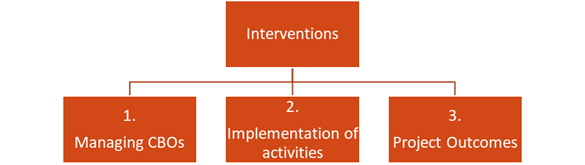
1.Managing CBOs
Establishing a tight framework for local leadership has been a crucial aspect of the project. The program contained four in-depth training sessions that covered several topics, such as youth-led project design, community assessment, and financial management. Etijah also trained 16 local facilitators to equip them with the required skills to ensure a seamless curriculum delivery in Sohag, Qena, and surrounding areas. The partnership with Horus, Al-Shehab, and EFFD has strengthened the project’s awareness sessions, which helped in understanding how sports can promote growth. Etijah provided support for all partners through establishing unique MEAL (Monitoring, Evaluation, Accountability, Learning) frameworks and volunteer management policies. In that case all the CBOs have the resources and expertise necessary to maintain and expand the project’s influence on the participants.
2.Implementation of Activities
As a result of the project’s impressive outreach:
- Seven sports festivals were planned throughout Greater Cairo Sohag, Qena, and the other partner areas
- 21 community information sessions were conducted
- Etijah partnered with Cairo runners to create a curriculum that uses sports as a means of advancing gender equality and encouraging young people to get involved in community development projects.
- Etijah collaborated with its partners to create an evaluation form and the program succeeded in implementing 32 rounds in the partner institutions.
- All sessions were led by 16 trained local facilitators, engaging the participants in various activities that build teamwork, confidence, and a commitment to positive change.
3.Project Outcomes
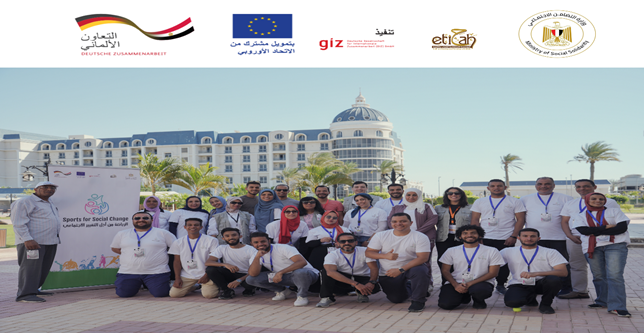
Throughout the Project’s journey, 2,370 people attended the Project’s events 1,346 girls and young women, 1,024 boys and young men, and 351 people with disabilities, 40 young volunteers assisted in organizing, strong female representation and participation of PWDs.
This article is produced within the framework of cooperation between the Ministry of Social Solidarity and the Deutsche Gesellschaft für Internationale Zusammenarbeit (GIZ) implemented on behalf of the German Government with co-funding from the European Union through the Equal Opportunities & Social Development Project.