Overview
Generation Dialogue was launched by Etijah in 2022 and concluded in 2024. The project addressed deeply rooted and sensitive issues, such as female genital mutilation (FGM), by opening conversations within the community. It recognized that traditional practices can have long-term effects on well-being; therefore Etijah adopted a holistic approach that respected cultural norms while introducing modern perspectives, with the goal of fostering community-driven change. The project was funded and supported by the UNFPA, and Etijah implemented the activities and managed the funds in partnership with UNFPA.
Methodology
The program followed a structured, participatory methodology to ensure effective engagement:
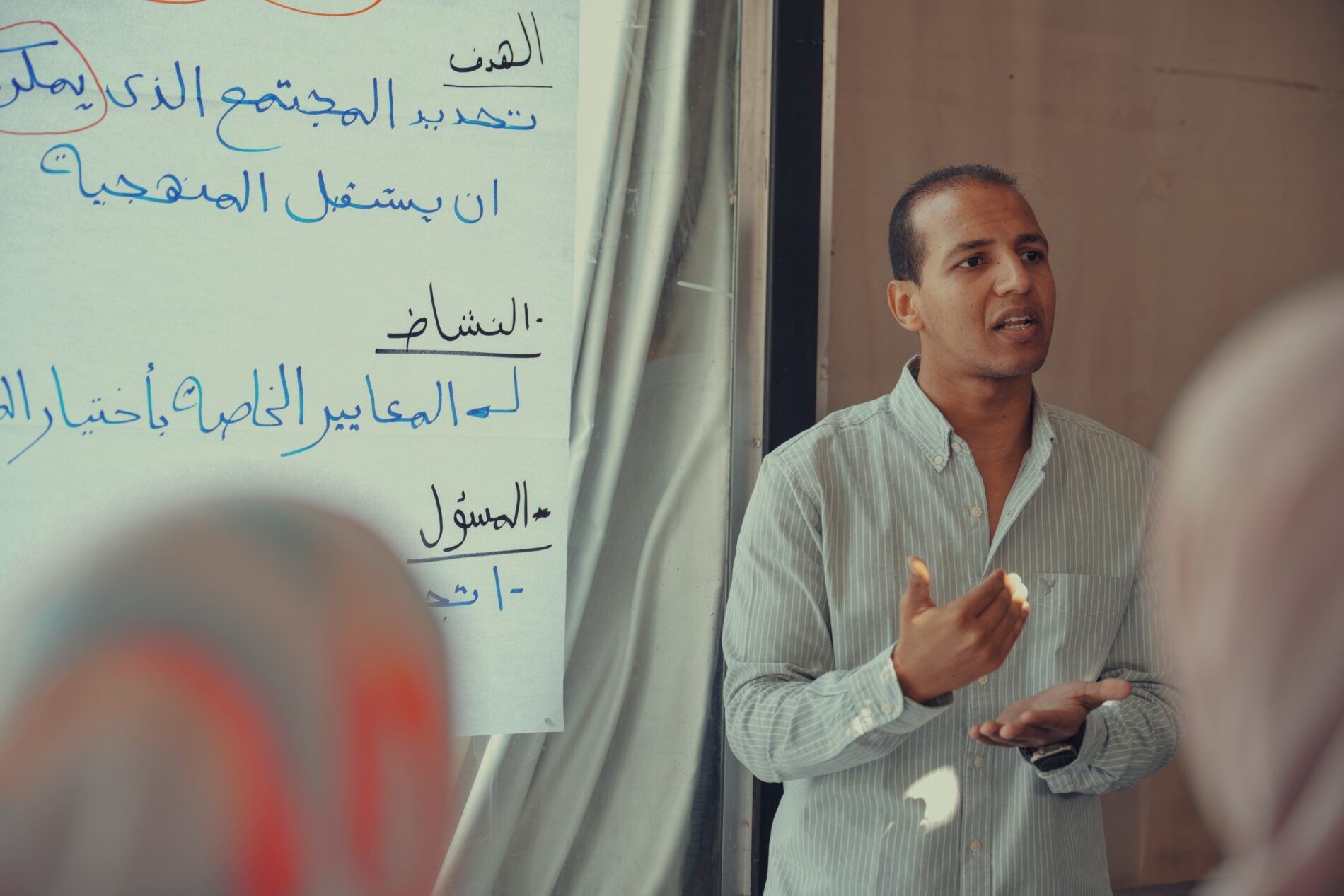
- Sequential steps: The process began with facilitator training and initial community consultations, followed by dialogue sessions where participants engaged in conversations that enhanced their skills and allowed them to share life experiences. The project also held two public meetings to reinforce learning and plan next steps.
- Interactive techniques: The project used creative engagement methods, such as role-plays, songs, and poems, to make sessions dynamic and inclusive. These techniques helped participants share experiences and ideas more freely and linked dialogue to familiar cultural contexts.
- Open dialogue: Gender-segregated discussions were offered to ensure that everyone could speak freely. By tailoring the dialogue environment to participants’ comfort, the project enabled different opinions and perspectives to surface and helped facilitators better understand participants’ mindsets.
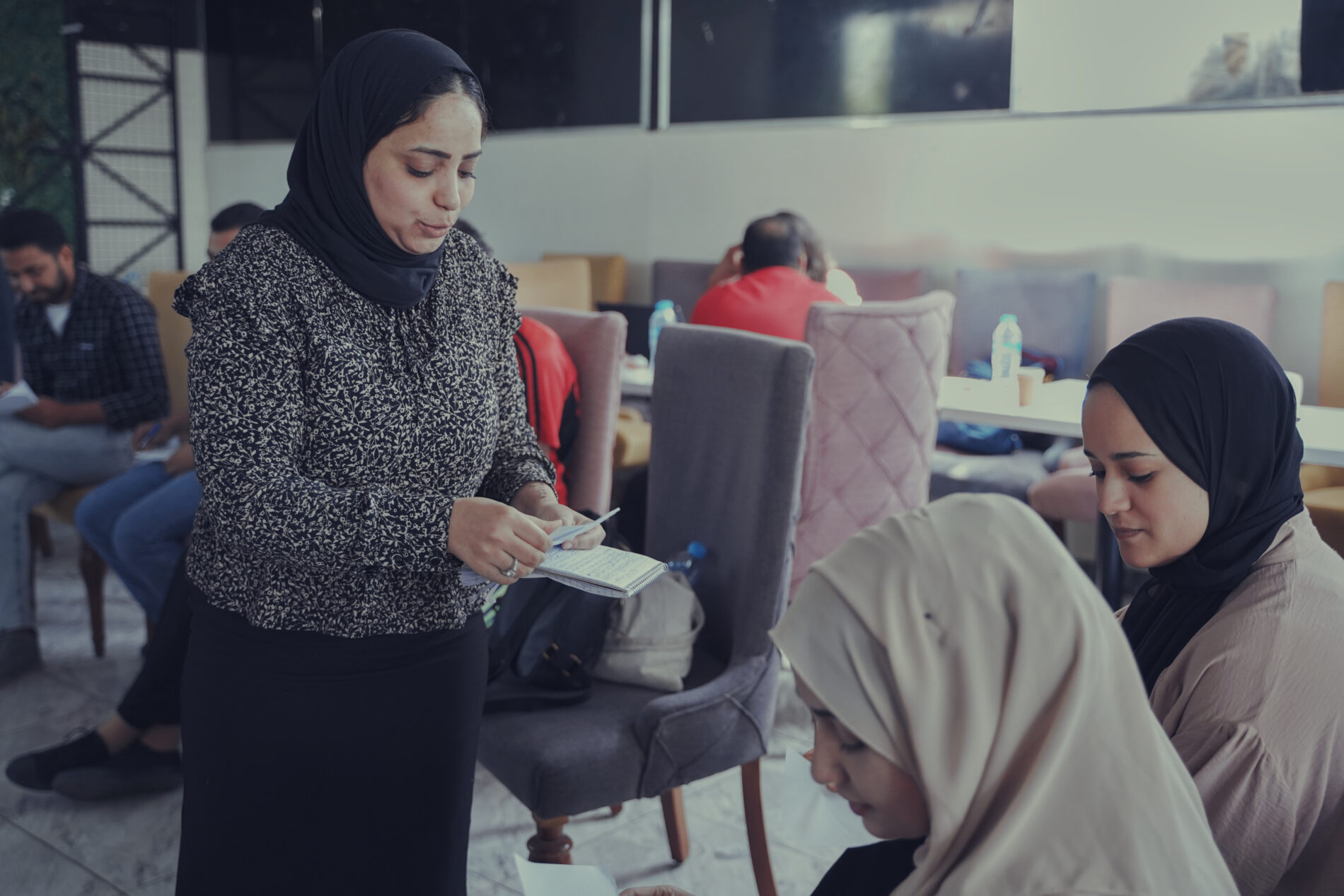
- Community engagement: The project trained participants to act as Dialogue Champions, community volunteers who conducted household visits, led informal discussions, and organized meetings, keeping dialogue and awareness alive beyond the initial sessions.
Approach and Principles
Generation Dialogue emphasized active listening, empathy, and mutual respect. Facilitators selected topics with sensitivity to social norms and addressed sensitive issues with understanding rather than judgment. Each dialogue session aimed to build trust and culminate in a shared vision for positive change. The approach enabled communities to hold public meetings to voice commitments and develop concrete action plans, encouraging broader participation and fostering accountability.
Empowerment and Impact
By combining community rituals with modern facilitation methods, Generation Dialogue connected generations and empowered participants. The project’s emphasis on follow-up ensured that dialogue translated into concrete development initiatives. Ultimately, community members took charge of change: Dialogue Champions sustained conversations at the local level, and public commitments helped create a culture of accountability. This approach not only tackled immediate concerns but also built long-term momentum for lasting change.
Etijah implemented this project in partnership with the UNFPA